Annual goods imports:
US$472 billion (amplified by Antwerp-Bruges transhipment).
> Belgium is a Tier-2 market for Global Canada and the strategic gateway of > the European market: the Port of Antwerp-Bruges is a major point of entry > for Canadian goods in Europe, and Brussels hosts the EU institutions and a > deep European business network. For a Canadian exporter replacing US volume, > Belgium is the entry point to European value chains - not just a domestic > market of 11 million. ---
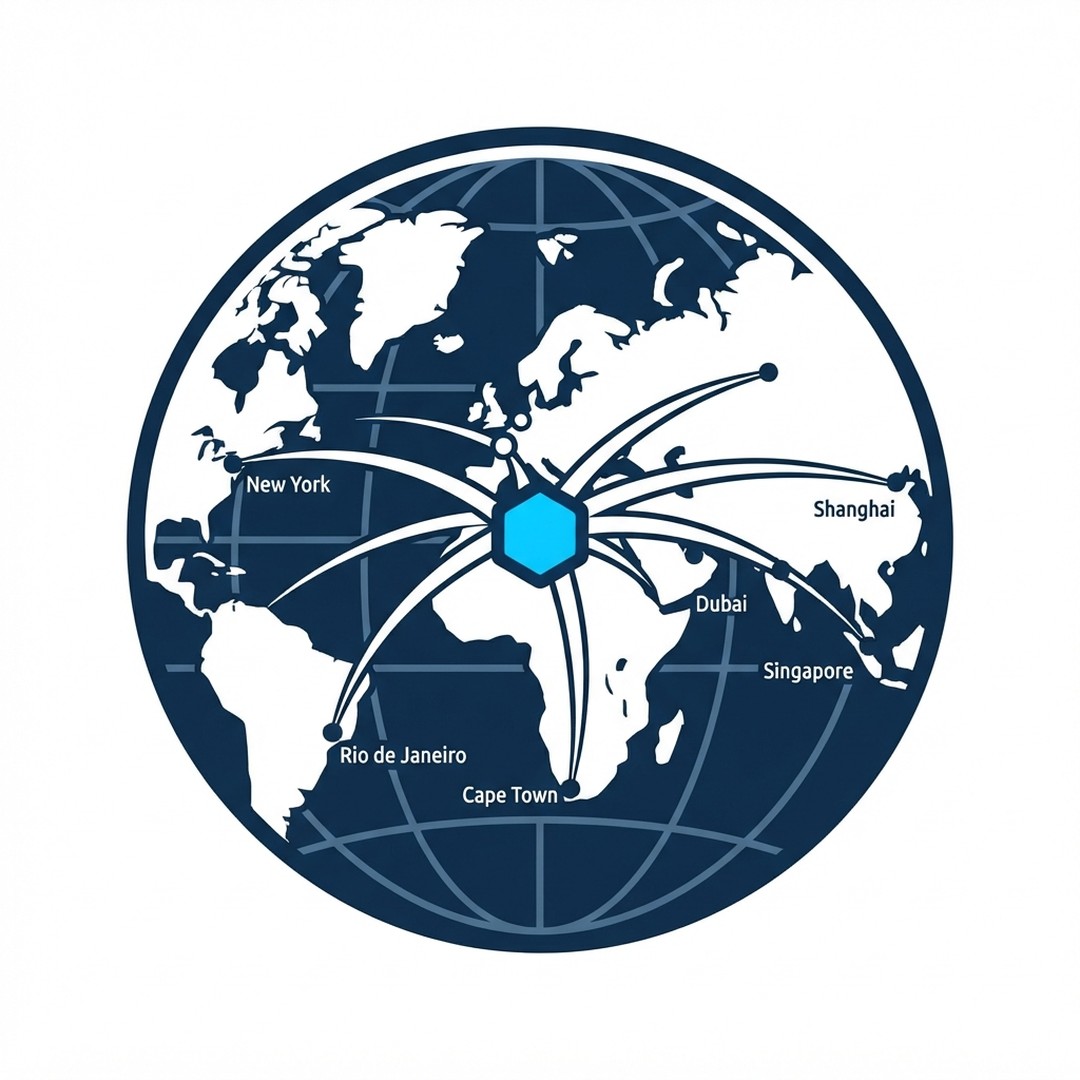
US$472 billion (amplified by Antwerp-Bruges transhipment).
~C$1.5-2B/yr in mineral fuels, aircraft parts, wood pulp, food products (pork, seafood), and chemicals.
raw materials; machinery & equipment; chemicals; raw diamonds; pharmaceuticals; foodstuffs
---
Belgium sits at the heart of the European market. The Trade Commissioner Service frames Belgium around the Port of Antwerp-Bruges - a major point of entry for Canadian goods in Europe - and the ability of Canadian businesses to work with Belgian companies in Canada to connect to European value chains. Belgium is a small, wealthy, export-oriented economy that functions as a logistics and distribution hub for the whole EU: it is home to the EU institutions in Brussels, one of the world's largest ports, and a dense network of European distributors, agents, and service providers.
The strategic logic mirrors the rest of the Global Canada model. US tariffs make non-US diversification a funded, urgent priority, and CanExport 2026-27 forces a US-or-non-US choice. Under CETA, Canadian goods enter Belgium duty-free and flow onward across the EU single market. For a Canadian exporter, a Belgian importer or distributor is often the fastest route to multiple European buyers - the distribute-to-Europe play through one of the continent's best-connected hubs.
Global Canada prices Belgium as a Tier-2 market (large, mid pricing - trade-canada, section 1) and serves it through vetted local partners: importers, distributors, logistics providers, trade-show contractors, and legal/accounting advisors on the ground.
---
The TCS lists the following industries as strong opportunities for Canadian exporters in Belgium:
Belgium's industrial energy transition and European climate targets create demand for Canadian clean-tech solutions.
Belgium hosts the EU digital ecosystem and a strong ICT cluster in Brussels; Canadian software, cybersecurity, and enterprise technology can sell in and partner.
Belgian and European infrastructure investment (including EU-funded projects) creates demand for Canadian engineering and technology solutions.
Belgium is a global life-sciences hub (vaccines, biotech, and a strong pharma cluster around Brussels and Ghent); Canadian med-tech and life-sciences products enter through distributors and partnerships.
For Global Canada clients, the fastest-win sectors are clean technology, ICT, and life sciences - plus the pan-European distribution play for agri-food, seafood, and consumer goods entering through Antwerp.
---
Canada and Belgium are both parties to the Comprehensive Economic and Trade Agreement (CETA) between Canada and the European Union. Under CETA:
between Canada and the EU, giving Canadian exporters a tariff advantage over non-EU competitors.
Improved access to EU public procurement and services markets, with transparent rules.
reinforced by the Port of Antwerp-Bruges as the primary EU gateway for Canadian goods.
Belgium is a longstanding Canadian partner with deep investment ties. The TCS points Canadian businesses to the CETA page and its bilateral overview. The practical export takeaway: a Belgian buyer importing from Canada pays no CETA tariff on most goods, and from Antwerp those goods move tariff-free across the EU.
---
The TCS reminds exporters that understanding regulations and policies relevant to the export market is crucial for success. For Belgium, the key regulatory layers are:
most industrial goods enter duty-free under CETA; meet rules-of-origin documentation to claim the preference.
screen Belgian and EU buyers and transactions against Canadian sanctions, which largely mirror EU regimes. Controlled goods require Canadian export permits.
Belgian and EU buyers increasingly require ESG documentation; Canadian companies should apply responsible business conduct standards.
products need CE marking and sector certifications; food enters under EU food law. Certification is a CanExport-eligible cost.
using Antwerp and Belgian bonded logistics is a competitive advantage for Canadian exporters serving all of Europe.
Global Canada's destination compliance monitoring service tracks certification, licensing, and regulatory renewals so the exporter stays selling.
---
The TCS maintains an active Belgian events program for Canadian exporters covering clean technology, ICT, infrastructure, and life sciences. While the captured TCS snapshot for Belgium did not list a full 2026 event calendar, exporters should check the TCS events page for Belgium for the current list. Trade-show participation and market visits are CanExport-eligible, making each event a grant-subsidized entry point. Global Canada can pre-book qualified buyer meetings at Belgian and European shows so the exporter does not work the floor cold.
---
Additional verified sector shows for Canadian exporters:
Brussels, February 2027 - the Benelux's leading construction and renovation fair.
Ghent, November - hospitality and foodservice (confirm dates).
Sector-focused Canadian exporters also reach Belgian buyers via Anuga/ISM (Cologne), SIAL (Paris), and World of Private Label (Amsterdam).
---
Canadian exporters entering Belgium have a full federal support stack:
covers 50% of eligible costs (trade shows, market visits, market research, buyer acquisition, localization, legal/tax advice) up to $50K per project and $99,999 per year, under the US-or-non-US project rule. A Belgium project is exactly the non-US diversification CanExport 2026-27 funds.
free market potential assessments, qualified contacts, and problem-solving.
financing, guarantees, and receivables protection for Belgian and European transactions.
Provincial programs can stack on the federal baseline within the 75% total-government-assistance cap. Global Canada documents the grant-eligible cost buckets per activity.
---
The TCS maintains a Canadian presence in Belgium:
Avenue des Arts 58, Brussels, Brussels-Capital Region, 1000. Telephone (011-32-2) 741-0620. Email bru.td-infocentre@international.gc.ca. Mon-Fri 09:00-17:00.
The first free step is registering with the Trade Commissioner Service for a market potential assessment and qualified contacts in Belgium. Global Canada coordinates with the TCS and its own in-market partners.
---
treat Belgium as the distribution gateway; one Belgian partner can open multiple EU markets.
use Antwerp and Belgian 3PL and bonded warehousing to serve all of Europe.
Brussels gives access to EU procurement, European industry associations, and decision-makers - a reach advantage unique to Belgium.
Belgium operates in Dutch, French, and German; working with local partners who navigate all three is a real advantage.
apply to the highest-cost-share program first, keep receipts, segregate cost buckets, and disclose all government sources.
trilingual - Dutch (Flanders), French (Wallonia), bilingual Brussels; practical labelling is Dutch + French.
distribution and regulation differ; use a Benelux distributor covering both.
21% standard / 6% reduced; non-residents register for distance sales above EU thresholds.
CE marking; food safety enforced by the FASFC (FAVV/AFSCA) with import notification.
Brussels hosts EU institutions - real opportunities in EU & NATO tenders (Fed-tend.be).
---
Specific entry notes for this market:
Belgium's value for Canadian exporters is its position: a small, wealthy market that functions as Europe's logistics and institutional gateway. The strongest Canadian plays are pan-European - a product that lands in Antwerp and redistributes across the EU - plus niche premium sectors where Belgian buyers lead.
| Sector | Why it fits Canadian exporters |
|---|---|
| Clean technologies | Belgian industrial energy transition and EU climate funding create buyers for Canadian clean-tech, especially where a Belgian partner can redistribute across the EU. |
| ICT and cybersecurity | Brussels hosts the EU digital ecosystem; Canadian software, cybersecurity, and data-privacy products can enter through EU-facing partners. |
| Infrastructure | EU-funded infrastructure and Belgian engineering demand fit Canadian technology and project solutions. |
| Life sciences | Belgium is a global life-sciences and biotech hub; Canadian med-tech enters through distributors and research partnerships. |
| Food and agri-food | Antwerp is a leading European food gateway; Canadian food, seafood, and ingredients can be distributed EU-wide from Belgium. |
Each sector above maps to a Global Canada service line: buyer acquisition and reverse-search displacement for the demand side, distributor and agent network build for the channel side, foreign subsidiary setup and warehousing for presence, and trade-show and tender programs for active deal-making. The grant pays up to 50-70% of the activity costs in these sectors under CanExport and provincial programs, so the exporter's out-of-pocket is halved and the market work is documented for the grant claim.
---
Global Canada operates in Belgium as a Tier-2 market. The services map directly to Belgian market entry:
a monthly pipeline of vetted Belgian importers and distributors - including pan-European redistributors - in front of your sales team.
a refreshed, pre-qualified Belgian buyer list each month, with volume discounts when you add more markets.
find Belgian buyers currently buying your product from non-Belgian (including US) suppliers and win them.
surface Belgian buyers in French and Dutch-language channels that standard tools miss.
source, vet, onboard, and manage Belgian distributors serving all of Europe.
establish a Belgian company and/or 3PL relationship to serve Europe from one base.
pre-booked qualified meetings at Belgian and European shows.
identify and bid Belgian and EU public tenders under CETA access.
Belgium is the gateway to European value chains, and Global Canada's local-partner network, grant alignment, and gateway-market pricing make it a strong addition to any diversification plan. Contact us for a free readiness call to scope your Belgium entry.
The services below are grant-eligible: CanExport and EDC reimburse up to 50% for incorporated Canadian exporters.
Grant programs can reimburse up to 50% of eligible market-entry costs. In one free call we tell you honestly whether your product fits a non-US market.
Book a free readiness call